
Complete Guide
Haystack Rock
Geology, tide pools, puffins, and everything you need to know.
At 235 feet tall, Haystack Rock is one of the most iconic geological features on the entire Pacific coast. Rising directly from the beach at the foot of the Hemlock Street access, it's the third-largest intertidal monolith in the world, a staggering column of basalt that has dominated Cannon Beach's shoreline for millions of years. But Haystack Rock is far more than a photogenic backdrop. It's a living ecosystem, a protected wildlife habitat, and one of the most accessible places in Oregon to observe the wonders of the Pacific intertidal zone.
Whether you're there at low tide to peer into the tide pools, watching puffins wheel above the summit in June, or standing on the beach at sunset as the rock turns silhouette against a blazing sky, Haystack Rock rewards every visit with something extraordinary. This guide covers everything you need to make the most of your time there.
Haystack Rock Quick Facts
Geology: How Haystack Rock Formed
Haystack Rock is composed of Columbia River Basalt, a rock type that originated from massive volcanic eruptions in what is now eastern Oregon and Washington between 6 and 17 million years ago. These eruptions produced some of the largest lava flows in geological history, creating a vast basalt plateau that extended to the coast.
Over millions of years, wave action and erosion worked to carve the coastline into the dramatic landscape we see today. The harder basalt outcrops resisted erosion better than the surrounding material, leaving Haystack Rock and the smaller Needles and Jockey Cap sea stacks standing as isolated columns while the softer rock eroded away. The rock continues to erode gradually and will eventually succumb to the same forces that shaped it.
The vertical striations visible on the rock face are evidence of its volcanic origin. The basalt cooled in columns, and those column boundaries are what you can see running up the face of the rock. Columnar basalt formations like these appear elsewhere on the Oregon coast, but Haystack Rock is the most dramatic example.
Tidal Zones: What You'll Find
The intertidal zone around Haystack Rock is divided into distinct ecological bands, each with its own community of organisms adapted to the conditions of that zone. Understanding the zones helps you know where to look and what you're looking at.
High Intertidal Zone (Exposed at most low tides)
Exposed at most low tides
The highest zone is the harshest. Organisms here must survive desiccation, extreme temperature swings, and heavy wave splash. The dominant residents are barnacles, periwinkle snails, limpets, and shore crabs.
Mid Intertidal Zone (The richest tide pool area)
The richest tide pool area
This is the zone you're most likely exploring during a low tide visit. The mid-intertidal pools are where you'll find the most spectacular and accessible marine life. Giant green anemones open their tentacles in clear water, ochre sea stars cling to rock surfaces, and hermit crabs drag their borrowed shells across the pool floor.

Low Intertidal Zone (Only visible on minus tides)
Only visible on minus tides
The lower zone is only revealed on the biggest low tides, when minus tides expose the most spectacular life around the rock. This zone can include sea slugs, larger sea stars, encrusting coralline algae, and occasionally octopuses hiding in deeper crevices.
Best Times to Visit
Tide Charts
The single most important factor for a Haystack Rock visit is the tide level. The Marine Garden is only accessible and the tide pools are only revealed when the tide is below approximately +0.5 feet. The best viewing happens at minus tides (below 0.0 ft). Check the NOAA tide chart for Cannon Beach before you go.
Crowds
Summer is peak season (July-August), with the beach and tide pools at their most crowded. If you're coming in summer, arrive at the beach at or before 9am to beat the crowds, or plan a late afternoon low tide visit when day-tripper crowds thin. September and October are the sweet spot: reliable weather, thinner crowds, and minus tides are common.
The HRAP volunteers are on the beach during low tides from April through October. They're an excellent resource, so ask them what's in the pools and where to look for specific animals.

Puffin Nesting Season (April-August)
Tufted puffins are among the most charismatic seabirds on the Pacific coast, and Haystack Rock is one of the most reliable places in Oregon to observe them. Each spring, puffins return from their winter at sea to their nesting burrows on the upper ledges and rocky slopes of Haystack Rock and the adjacent Needles sea stacks.
In breeding plumage, tufted puffins are striking birds: jet-black body, brilliant white face, bright orange-red bill, and yellow-gold plumes sweeping back from the eyes. They're noticeably clumsy on land and during takeoff and landing, but fast and graceful in the air.
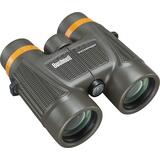
The peak of puffin activity is May through July, when both parents are making frequent fish-delivery trips to the nesting burrows to feed their chick. You can watch them from the beach by looking for the flutter of wings and birds perched high on the rocky ledges. Binoculars are essential for good views.
- Bring 8x42 or 10x50 binoculars
- Watch for birds on the upper ledges, not just in flight
- Best light is usually morning, with sun on the rock face
- HRAP volunteers can point out active nesting spots
- Common murres and pelagic cormorants also nest here
HRAP volunteers are often on the beach during low tides and can help point out active nesting areas if you want a better chance of seeing puffins quickly.
Marine Garden Rules - Leave No Trace
The Marine Garden around Haystack Rock is a protected area by ordinance of the City of Cannon Beach. Violations can result in fines. These rules exist to protect a fragile ecosystem.
What You CAN Do
- → Walk carefully on bare rock surfaces
- → Observe and photograph all marine life
- → Gently look under rocks (replace them carefully)
- → Watch birds from the beach
- → Engage with HRAP volunteers for information
What You CANNOT Do
- → Collect, touch, or pick up any marine life
- → Remove any rocks, shells, or organisms
- → Climb on Haystack Rock
- → Disturb nesting birds
- → Bring dogs into the Marine Garden
Remember: the organism you pick up may look safe to handle, but the stress response can be fatal. Observation without interference ensures the Marine Garden remains healthy for future visitors.
Photography Tips
Haystack Rock is one of the most photographed subjects on the Oregon coast, and for good reason. Here are the techniques and timing that produce the best results.
Golden Hour & Sunrise
Morning light is less commonly photographed than sunset but gives beautiful warm directional light on the east face of the rock. Tide pools are often calmer in the morning, and the beach is less crowded.
Sunset Silhouettes
The classic Cannon Beach shot is Haystack Rock as a dark silhouette against blazing orange and purple sunset skies. Position yourself south of the rock and slightly to the right for the best composition with the Needles in frame.
Tide Pool Macro
Get close to the water's surface with a wide-angle lens or use your phone's portrait mode for shallow depth-of-field shots of anemones and sea stars. The contrast of the orange and purple organisms against dark rock is striking.
Misty Morning
Pacific Northwest sea mist and low cloud are part of the region's signature atmosphere. Fog partially obscuring the top of Haystack Rock creates dramatic, mysterious images, so don't wait for clear skies only.
Puffin Flight Shots
Use continuous autofocus and a fast shutter speed to freeze puffins in flight. They're small at distance, so a 300mm or longer lens gives you the best chance at sharp wildlife images.
Long Exposure Waves
A 10-stop ND filter and tripod lets you blur the waves into silky white while keeping the rock sharp. It's especially effective at sunrise and sunset.
Getting There & Accessibility
Haystack Rock is accessible via public beach access points at the foot of Hemlock Street, Harrison Street, and several other cross streets. The beach itself is flat and sandy, and the walk from the parking areas to the rock is 5-10 minutes on firm sand.
The rock itself cannot be climbed, but the tide pools and Marine Garden are accessible to anyone who can walk on wet, uneven rocky surfaces. Be cautious because the rocks are slippery. Rubber-soled shoes or water shoes are strongly recommended over flip-flops or bare feet.
Haystack Rock timing
Let tide pools, beach walk, or sunset photography set the Cannon Beach day
Tide-pool focus
Check the tide window first and arrive with enough margin to move slowly. Tide pools are not a flexible leftover stop.
Beach-walk focus
Use Haystack as the anchor for a longer sand walk when the group wants scenery more than close-up marine life.
Sunset focus
Save energy and layers for evening if the photo is the point. Oregon coast weather can turn a perfect plan sideways quickly.
Photography & Nature Gear
Bushnell H2O Xtreme Binoculars_FullyMultiCoated_Waterpr…

K&F Concept 60 inch Carbon Fiber Camera Tripod,Super Li…

67mm CPL Filter for Phone/DSLR, HD Circular Polarizer P…
Adidas Mens Terrex Skychaser Ax5 Mid Top Gore-tex Hikin…

Osprey Sportlite 20L Unisex Hiking Backpack, Dark Charc…

TrailBuddy Trekking Poles – Lightweight 7075 Aluminum H…

OLUKAI Ohana Men's Beach Sandals, Water Resistant Flip…

G GOOD GAIN Waterproof Picnic Blanket Portable with Car…
As an Amazon Associate we earn from qualifying purchases.
Haystack Rock FAQ
What to know before you build a Cannon Beach visit around Haystack Rock.
When is the best time to explore the tide pools?
Aim for a low tide window, ideally arriving a little before the lowest point so you have time to explore safely. Conditions matter more than the clock time, so check the tide table before you go.
Can you climb Haystack Rock?
No. It is a protected marine garden and bird habitat, and visitors are expected to enjoy it from the beach and tide-pool area without climbing on the rock itself.
When can I see puffins at Haystack Rock?
Puffins are usually around during the nesting season from spring into midsummer. Early mornings and respectful distance give you the best chance at a good viewing experience.
Book related experiences
Browse tours and activity options that fit this trip.
Oregon Coast Highlights Cannon Beach Haystack Rock Hiking
Direct Viator activity result for Cannon Beach, OR, OR; listed from $130.
Plan the rest of your trip
Pair these guides with your Cannon Beach, OR plans so the next step is easy.
More things to do in Cannon Beach, OR
Round out this trip with more attractions, tours, and local experiences.
Where to stay in Cannon Beach, OR
Choose where to stay before the rest of the itinerary starts to harden.
Restaurants in Cannon Beach, OR
Plan food stops so the best parts of the day do not turn into last-minute searches.
Getting to Cannon Beach, OR
Dial in airports, drive time, parking, and arrival logistics before you go.
Before you go
Official details to check for Haystack Rock
Use these official and public sources to confirm the details that change: hours, maps, tickets, reservations, road access, weather, and seasonal timing.
Official source
Cannon Beach Chamber
Use the official visitor site for Haystack Rock, events, parking, dining, and beach logistics.
Open official source →Official source
Haystack Rock Awareness Program
Check official stewardship information before exploring tide pools or nesting-season beach zones.
Open official source →Planning detail
NOAA Cannon Beach tides
Check tides before planning tide pools, long beach walks, or low-tide photography.
Open official source →
